Key takeaways
- Compare the best brick trowels in London and Philadelphia patterns, with forged steel blades, handle options, and sizes for brick and block work.
- Top Pick: Conclusion
- Runner-up: Conclusion
- Also consider: Conclusion
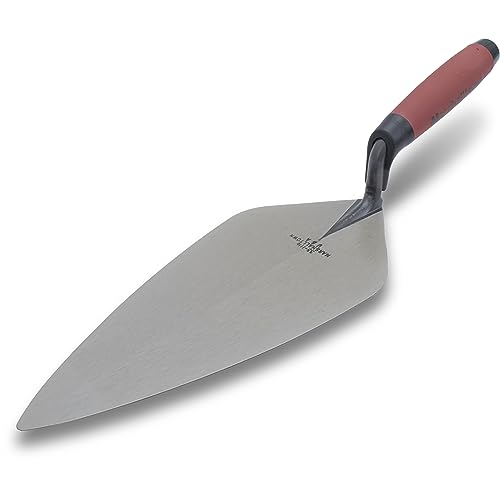
The best brick trowel for most masons is a one-piece forged high carbon steel blade in the 11 inch range, in the London pattern for standard brick and the Philadelphia pattern for block. The London shape carries its mortar load further forward with a rounded heel, which suits the smaller units and tighter joints of brickwork. The Philadelphia shape has a wider, squarer heel that holds more mortar per pick-up, which suits concrete block and larger stone units. Handle choice comes down to grip preference: cushioned synthetic grips reduce fatigue, leather grips mold to the hand over time, and plain plastic grips keep weight and tier down.
This guide compares five brick trowels across both patterns, three handle types, and blade lengths from 10 to 12 inches. Each entry lists the published blade dimensions, pattern, steel type, and handle so you can match the tool to the units you lay most often. Pointing trowels and margin trowels are covered in separate guides on this site; this roundup is only about full-size brick trowels for spreading bed joints and buttering units.
As an Amazon Associate, we earn from qualifying purchases.
Table of Contents
- London vs Philadelphia: Choosing a Pattern
- Blade Length, Steel, and Handles
- The 5 Best Brick Trowels
- Marshalltown 33 12FG London Brick Trowel
- Marshalltown 3310.5FG London Brick Trowel
- Marshalltown 19L11 Philadelphia Brick Trowel
- Marshalltown 1911D Philadelphia Brick Trowel
- Bon Tool 72-536 Keystone Forged Brick Trowel
- How to Choose the Right Brick Trowel
- Frequently Asked Questions
- Conclusion
- Product and ASIN Reference
London vs Philadelphia: Choosing a Pattern
The pattern names describe the outline of the blade, and the outline decides where the mortar sits and how the trowel handles. A London pattern blade has a rounded heel, so the bulk of a mortar load rides toward the middle and front of the blade. That forward balance helps when you are spreading a bed joint for standard brick, slicing off excess with the blade edge, and buttering the end of the next unit.
A Philadelphia pattern blade is wider overall, with a squared heel that gives the blade more surface area near the handle. The extra area holds a larger load of mortar on each trip from the board, which matters when the units are big. Concrete block, large-format brick, and cut stone all take a wider bed joint and more mortar per unit, so the Philadelphia pattern is the traditional choice for block crews. The trade-off is weight and reach: a loaded Philadelphia blade puts more strain on the wrist across a full day, and its wider heel is less nimble in tight corners and short runs.
Neither pattern is better in the abstract. Match the pattern to the unit: London for standard brick and detail work, Philadelphia for block and stone. Many working masons own one of each and swap by the job.
Blade Length, Steel, and Handles
Brick trowel blades run from about 9 to 13 inches, with 10.5 to 12 inches covering most trade work. A longer blade carries more mortar and spreads a longer bed joint in one pass, but it also weighs more when loaded and demands more forearm strength to control. An 11 inch blade is the common all-round size: long enough for production work, short enough for control on repairs, chimneys, and short wall sections. A 12 inch blade suits high-volume brick laying where the wall runs are long and straight.
Steel and construction matter as much as size. The better brick trowels are forged from a single piece of high carbon steel, then heat treated, taper ground, and polished. A one-piece forging has no weld between blade and shank, which removes the most common failure point on cheaper trowels. Taper grinding thins the blade toward the tip, giving it a controlled flex that helps mortar release cleanly while the heel stays stiff. Welded two-piece trowels sit in the budget tier and are fine for occasional work, but a forged blade holds its edge and shape far longer under daily use.
Handles come in three main types. Cushioned synthetic grips, such as the DuraSoft handle used on several picks below, add a finger guard and a soft feel that reduces fatigue. Leather handles are the traditional premium option; they absorb vibration, grip well with mortar-dusted hands, and shape themselves to the user over time, though they need occasional care to keep the leather from drying out. Plastic handles are lighter and simpler, suiting budget-tier trowels and occasional use.
The 5 Best Brick Trowels
1. Marshalltown 33 12FG London Brick Trowel
The Marshalltown 33 12FG is the premium pick for high-volume brickwork. Its 12 inch London pattern blade is the longest in this roundup, and the 5-1/8 inch width at the heel gives it the largest mortar-carrying surface of any London trowel here. The blade is forged from a single piece of high carbon steel, heat treated and taper ground, so it keeps the stiff heel and lively tip that production bricklayers rely on when spreading long bed joints.
The DuraSoft handle adds an integral finger guard and a cushioned grip that stays comfortable across a full shift. The handle rise is set for correct hang and balance, which keeps the loaded blade level without constant wrist correction. Choose this trowel if your work is long, straight runs of standard brick and you want the biggest London blade in a forged, trade-grade tool. Its size makes it less suited to repair work and tight spots, where the shorter picks below handle better.
Specs
- Pattern: London
- Blade size: 12 x 5-1/8 in
- Steel: High carbon steel, forged from a single piece, taper ground
- Handle: DuraSoft cushioned grip
- Model: 33 12FG
- Tier: Premium
2. Marshalltown 3310.5FG London Brick Trowel
The Marshalltown 3310.5FG is the mid-range London pick and the most versatile size in the lineup. The 10.5 inch blade, 4-3/4 inches wide, is forged from a single piece of high grade tool steel, which gives it the same one-piece strength as the premium models in a shorter, lighter blade. That length suits mixed work: new brick veneer one day, repointing prep, step repairs, and chimney work the next.
The DuraSoft handle provides the same cushioned grip and finger protection as the larger model, and the trowel is made in the USA. For a first trade-quality brick trowel, or for a mason who splits time between brick and smaller masonry tasks, this is the balanced choice in the roundup. Block crews who want maximum mortar per load should look at the Philadelphia picks instead.
Specs
- Pattern: London
- Blade size: 10-1/2 x 4-3/4 in
- Steel: High grade tool steel, forged from a single piece
- Handle: DuraSoft cushioned grip
- Model: 3310.5FG
- Origin: Made in USA
- Tier: Mid-range
3. Marshalltown 19L11 Philadelphia Brick Trowel
The Marshalltown 19L11 is the premium Philadelphia pick, built for block and large-unit work. The 11 inch blade is 5-1/2 inches wide with the squared Philadelphia heel, so it carries a generous load of mortar for each block laid. Like the other Marshalltown Premier Line trowels here, the blade is forged from a single piece of high carbon steel, heat treated, taper ground, and polished for strength and clean mortar release.
What sets this model apart is the leather handle. Leather gives a firm, slightly tacky grip that many experienced masons prefer for heavy work, and it molds to the hand with use. It also handles the butt-end tapping used to settle a block into line without the bounce of a hard plastic handle. The trade-off is upkeep: leather should be kept clean and conditioned now and then so it does not dry and crack. If you lay block day after day and prefer a traditional grip, this is the trowel to pick.
Specs
- Pattern: Philadelphia
- Blade size: 11 x 5-1/2 in
- Steel: High carbon steel, forged from a single piece, taper ground and polished
- Handle: Leather
- Model: 19L11
- Tier: Premium
4. Marshalltown 1911D Philadelphia Brick Trowel
The Marshalltown 1911D pairs the same 11 x 5-1/2 inch Philadelphia blade shape as the leather-handled model with a DuraSoft cushioned handle, putting it in the mid-range tier. The blade is forged from a single piece of the highest carbon steel, then heat treated, taper ground, and polished. The handle rise is set for correct hang and balance, so the wide blade stays predictable when it is carrying a full load for block work.
The DuraSoft handle includes an integral finger guard and a soft feel that reduces fatigue, which makes this the better Philadelphia choice for long days and for masons who find leather grips slippery in wet conditions. Choose it for block, stone, and large brick work when you want forged one-piece construction and a cushioned grip in one tool.
Specs
- Pattern: Philadelphia
- Blade size: 11 x 5-1/2 in (280 x 140 mm)
- Steel: Highest carbon steel, forged from a single piece, heat treated, taper ground and polished
- Handle: DuraSoft cushioned grip with integral finger guard
- Model: 1911D
- Tier: Mid-range
5. Bon Tool 72-536 Keystone Forged Brick Trowel
The Bon Tool 72-536 is the budget-tier pick and the only narrow London pattern in the roundup. Its 10 inch blade is narrower than a standard London blade, which makes it easier to control on repair work, short runs, and jobs where a full-size trowel feels clumsy. Bon Tool’s Keystone line forges the blade from carbon steel, so even at this tier you get a forged blade rather than a welded two-piece construction.
The plastic handle keeps the trowel light; the published item weight is 399 grams. A plastic grip will not match the comfort of the cushioned or leather handles above across a long day, and it offers no finger guard. As a first brick trowel, a backup for the truck, or a dedicated repair-work trowel, though, it covers the essentials: a forged carbon steel blade in a handy size.
Specs
- Pattern: Narrow London
- Blade size: 10 in
- Steel: Carbon steel, forged (Keystone line)
- Handle: Plastic
- Item weight: 399 g
- Model: 72-536
- Tier: Budget
How to Choose the Right Brick Trowel
Begin with the units you lay most. Standard brick points to a London pattern; concrete block and large stone point to a Philadelphia pattern. If you split work evenly, an 11 inch blade in either pattern is the safest single purchase, and the Philadelphia shape will still handle brick competently when needed.
Next, pick the blade length by wall type and by your own build. Long straight runs reward a 12 inch blade; mixed work and repairs reward 10 to 11 inches. Smaller hands usually get better control, and less fatigue, from the shorter end of the range.
Then decide on construction. For daily trade use, a one-piece forged high carbon steel blade is worth the higher tier: it resists bending, holds an edge for cutting joints clean, and has no weld to fail. For occasional projects, a forged budget-tier trowel like the Bon Tool above is a sensible middle ground.
Finally, choose the handle by feel and upkeep. Cushioned synthetic grips are the low-maintenance comfort choice. Leather is the traditional premium grip and improves with age if it is cleaned and conditioned. Plastic is the lightest and simplest, suiting a spare or first trowel. Whichever you choose, rinse mortar off the blade before it hardens, dry the steel after washing, and store the trowel flat so the blade edge stays true.
Frequently Asked Questions
What is the difference between London and Philadelphia brick trowels?
The London pattern has a rounded heel and carries mortar toward the front of the blade, which suits standard brick and tighter joints. The Philadelphia pattern is wider with a squared heel, holds more mortar per load, and suits concrete block and larger units. Both patterns come in the same range of blade lengths, so the choice is about blade shape and load, not size.
What blade length suits most brick and block work?
An 11 inch blade is the most common all-round choice because it balances mortar capacity with control. A 12 inch blade moves more mortar and suits long, straight runs of brick, while a 10 or 10.5 inch blade gives better control for repairs, chimneys, short wall sections, and smaller hands.
Which handle type lasts longest on a brick trowel?
All three handle types in this roundup can last for years. Cushioned synthetic grips need the least care and resist moisture. Leather handles are very durable and mold to the hand, but they last longest when cleaned and conditioned from time to time so the leather does not dry out. Plastic handles are simple and light, with nothing to condition.
How do you care for a forged steel brick trowel?
Scrape and rinse mortar off the blade before it sets, because hardened mortar pits the steel and unbalances the blade. Wash and dry the trowel at the end of the day, wipe the blade with a light coat of oil if it will sit unused, and store it flat or hanging so the edges are not knocked. Never use the blade edge as a pry bar, since that is the fastest way to chip a taper ground edge.
Conclusion
For brick work, the Marshalltown 33 12FG gives you the biggest forged London blade in this roundup, while the 3310.5FG covers mixed and repair work in a handier 10.5 inch size. For block and large units, the Marshalltown 19L11 pairs the wide Philadelphia blade with a traditional leather grip, and the 1911D offers the same blade shape with a cushioned DuraSoft handle at a mid-range tier. The Bon Tool 72-536 rounds out the list as a forged budget option in a narrow London pattern. Match the pattern to your units, the length to your walls, and the handle to your preference, and any of these five will serve well.